

북한 정치범 수용수들의 참혹한 운명


| 수용수들이 일하고 있는 북한 탄광촌의 모습을 보여주는 위성사진. |
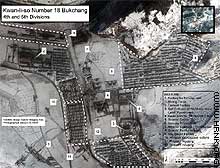
북한-중국 국경 부근에 위치한 수용소에서 은밀히 반출된 흐릿한 사진 몇장을 한 일본 방송사가 입수하면서 정치범 수용소의 존재에 대한 강력한 증거를 제공하게 됐다.
다음은 cnn이 확인한 북한 정치범 수용소 실태이다.
북한 북부지역 고산지대에 자리한 계곡에는 북한의 가장 은밀한 비밀 중 하나가 숨겨져있는데, 그것은 바로 정치범 강제 노동 수용소다.
'관리소'라 불리는 이 곳은 길게 뻗은 대규모 천막촌으로 형성돼있다. 김정일 정부에 감히 반대의 목소리를 내는 사람들은 그들의 잘못된 행동에 대한 처벌로 '관리소'로 보내지게 된다.
미국 '북한인권위원회'가 발표한 보고서에 따르면, 현재 북한 정치범 수용소에 감금돼 있는 북한 주민들이 대략 15만-20만명에 달하는 것으로 나타났다.
'관리소' 내부의 상황이나 처우는 참혹하다.
"사람들은 그 곳에서 굶어죽고, 얼어죽고, 일하다 죽기도 한다. 이는 정말 끔찍한 상황이며 우리가 스탈린 체제 하의 강제 노동 수용소에 대해 읽었던 내용들을 떠올리게 한다"고 샘 브라운백 상원의원(공화당, 캔자스주)은 말했다.
정치범들의 경우 '연좌제'에 따라 그 가족 3대까지 재판없이 처벌을 받게 되며, 그 가족들은 주로 종신형에 처해진다고 보고서는 전했다.
북한 당국은 이러한 정치범 수용소의 존재를 계속 부인해왔다.
하지만, 북한-중국 국경 부근에 위치한 수용소에서 은밀히 반출된 흐릿한 사진 몇장을 한 일본 방송사가 입수하면서 정치범 수용소의 존재에 대한 강력한 증거를 제공하게 됐다.
비디오화면에 보이는 죄수들은 중국으로 탈출을 시도했던 사람들이거나, 또는 수용소를 탈출했다가 다시 강제소환된 사람들인 것으로 보인다. 위성 사진은 수용소 내부 상황에 보다 자세한 단서를 제공하고 있다.
수용소에서 생활한 경험이 있는 사람들이 난폭한 감시인들 아래서 지냈던 힘든 생활에 대해 자세히 얘기했다.
"그들은 나이성별을 불문하고 누구든지 마구 때렸다"고 한때 수용소에서 생활했던 사람이 말했다. "내 경우 입술이 다 터지고, 신체 내부에 심각한 출혈이 생겨 대변이 피로 검게 물들 정도였다."
수용소에서 탈출한 사람들은 초라한 막사에서 수십명의 수용범들이 함께 생활했다고 말한다.
전에 수용소에서 생활했던 한명은 "누울 수조차 없었다"고 말한다. "내 앞에 있는 사람의 등과 내 가슴이 딱 붙을 정도였다. 움직일 공간이라고는 전혀 없었다."
수용소에서는 석탄, 철, 금, 광석을 채굴하거나 근처 산에서 나무를 베고 목재를 만드는 등의 중노동을 하게 된다고 보고서는 전하고 있다. 수용수들은 일주일에 7일, 하루에 12시간 이상씩 일을 하며, 국경일에만 휴식을 취하게 된다.
수용수들은 또한 굶어죽지 않을 정도의 음식만을 제공받는다.
배고픔으로 인해 수용수들 중에 밀고자가 대거 발생했으며, 이로 인해 수용소에는 수용수끼리 서로 의심하고 적대시하는 문화가 형성됐다. 수용수들은 다른 죽은 수용수들의 옷이나 혹은 먹다 남은 음식을 놓고도 서로 싸움을 벌인다.
음식을 훔치거나 탈출을 시도하다가 잡힌 사람들의 말로는 그야말로 참혹하다.
수용소에서 살아남은 한 생존자는 탈출을 시도했던 수용수에 대한 공개사형에 대해 얘기했다. 이 탈출범은 수용수들이 다 모여있는 자리에서 차 뒤에 묶인 채 죽을 때까지 질질 끌려 다녔으며, 그 후 다른 수용수들은 그 죽은 수용수의 시체 옆으로 지나가면서 시체 위에 손을 대라는 명령을 받았다.
수용수 중 한 명이 이 잔혹한 행위에 대해 항의했고, 그는 그 자리에서 바로 총살당했다.
북한 인권문제를 국제적으로 논의해야 한다는 요구가 증가하고 있다.
"우리는 이 사안에 대해 뭔가 행동을 해야 한다. 그렇지 않으면, 인류는 끔찍한 어떤 일이 벌어지고 있는 걸 뻔히 알면서도 아무런 행동도 하지 않는 일을 또 한번 하게 되는 것"이라고 브라운백 의원은 말했다.
| 북한의 인권상황은 날로 악화되고 있다. |

지난주 북한 탈출자 중 최고위급 인사인 황장엽이 북한 내부 체제에 대해 보다 많은 정보를 제공해줬다.
1997년 남한으로 망명하기 전까지 김정일의 주요 측근이었던 황장엽은 이례적으로 미국 워싱턴을 방문, 미 의회 및 부시 행정부의 주요 인사들과 대화를 했다.
황장엽은 김정일 체제 유지에 도움을 주는 핵 거래에 대해 반대 의견을 피력했다. 그는 인권 문제에 대해 압박을 가함으로써 김정일 정권 붕괴를 이끌 수 있다고 주장했다.
그는 그의 입장에 대한 대가를 치러야 했다. 황장엽 망명 후, 그의 아내와 딸 한 명은 자살하고, 나머지 자녀 3명은 강제노동 수용소에 보내진 것으로 알려졌다.
<뉴스 원문>
TOKYO, Japan (CNN) -- Hidden in the valleys between high mountains in the northern provinces of North Korea lies one of the country's darkest secrets -- political penal labor prisons.
Known as Kwan-li-so, these massive, sprawling encampments are where people who dare to speak out against the government of Kim Jong ll are sent to pay for their perceived wrongdoings.
According to a report by the U.S. Committee for Human Rights in North Korea, about 150,000 to 200,000 North Koreans are locked away in political prisons.
Behind the walls of a Kwan-li-so conditions and treatment are brutal.
"People are starved to death, worked to death, frozen to death over a period of time, and it's just absolutely horrific, reminiscent of what we've read coming out of the old Gulags under Stalin," says Kansas Republican Sen. Sam Brownback.
Along with political prisoners, up to three generations of their families also are banished without trial -- usually for lifetime sentences in a system of "guilt by association," the report finds.
North Korean authorities have consistently denied these prison camps exist.
But rare pictures -- grainy and unsteady -- that were smuggled out of a camp near North Korea's border with China and acquired by a Japanese TV network provide compelling evidence of their existence.
The prisoners shown in the video are said to be North Koreans who tried to flee to China, or who were forcibly returned after escaping there. Satellite imagery offers further clues on the conditions in the prisons.
Former inmates recount a bleak existence under the eyes of ferocious guards.
"They beat people regardless of their sex or age," says a one-time prisoner. "My lip was split and I had such severe internal bleeding my excrement turned black with blood."
Escapees say dozens of prisoners are jammed into rudimentary huts.
"You couldn't even lie down," a former inmate says. "The back of the person in front of me touched my chest. There was no room to move."
The report describes hard labor at the camps involving mining for coal, iron deposits, gold and other ores, or logging and wood-cutting in nearby mountains. Inmates often work 12 or more hours a day, seven days a week, with time off only for national holidays.
Prisoners are provided only enough food to be kept on the verge of starvation.
Hunger yields large numbers of informants among the prisoners, leading to a prison culture of distrust and hostility. Prisoners fight each other over scraps of food or over the clothing of deceased inmates.
The fate for those caught stealing food or attempting escape are quickly sealed.
One camp survivor recalls a public killing of an attempted escapee, who was tied and dragged behind a car in front of assembled prisoners until dead, after which time the other prisoners were required to pass by and place their hands on his bloodied corpse.
Another prisoner shouted out against this atrocity, and he was immediately shot to death.
There are growing calls to put Pyongyang's human rights record on the international agenda.
"We really have to push on this or we will create yet another episode of humanity's knowing something terrible is taking place and not reacting," says Brownback.
This week, the highest ranking official ever to flee North Korea is providing more ammunition on the inner workings of the North Korean system.
Hwang Jang Yop, a close advisor to Kim until he defected to South Korea in 1997, is making an unprecedented visit to the U.S. capital where he's been meeting with key members of Congress and Bush administration officials.
Hwang has warned against any nuclear deal that helps Kim's regime to survive. He argues pressure on human rights will contribute to the regime's collapse.
He has paid a price for such views. His wife and one daughter reportedly committed suicide after his defection. And three other children are said to be prisoners in labor camps.






![[안보칼럼] 테헤란의 포화가 일깨운 동맹의 전략적 교훈](/img_data/article/260430/260430_62475.jpg)
.jpg)